


- Why Slugging Suddenly Became Popular
- What Is Slugging, Exactly?
- Why Slugging Can Help a Damaged Skin Barrier
- Why Slugging Can Be Problematic in India
- Who Should Try Slugging (And Who Should Not)
- How to Slug Safely in Indian Conditions
- Slugging vs Lightweight Barrier Repair
- Common Mistakes People Make with Slugging
- Final Thoughts
Why Slugging Suddenly Became Popular
Slugging exploded on social media as a “miracle” solution for dry, damaged skin. The idea is simple: apply a heavy occlusive as the last step of your night routine to lock in moisture.
While this technique can be effective, it is often misunderstood — and misused — especially in Indian climate conditions.
What works in cold, dry countries does not always translate well to humid Indian weather or acne-prone skin.
What Is Slugging, Exactly?
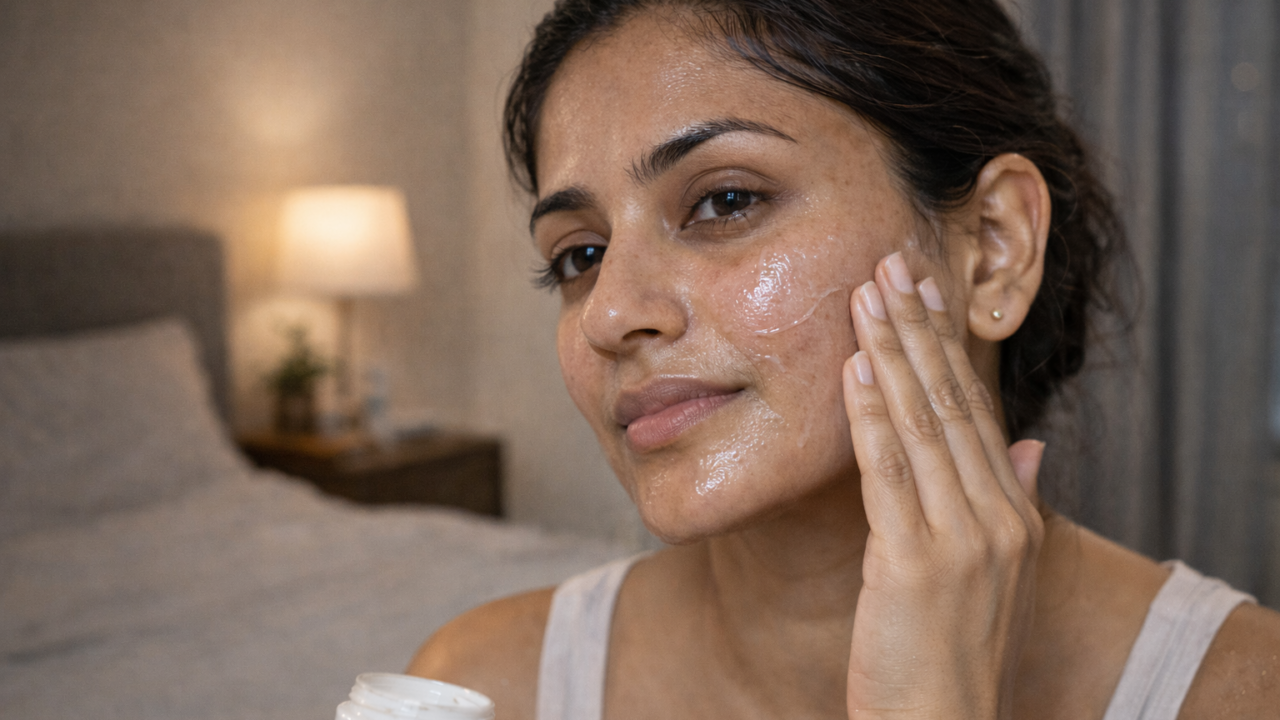
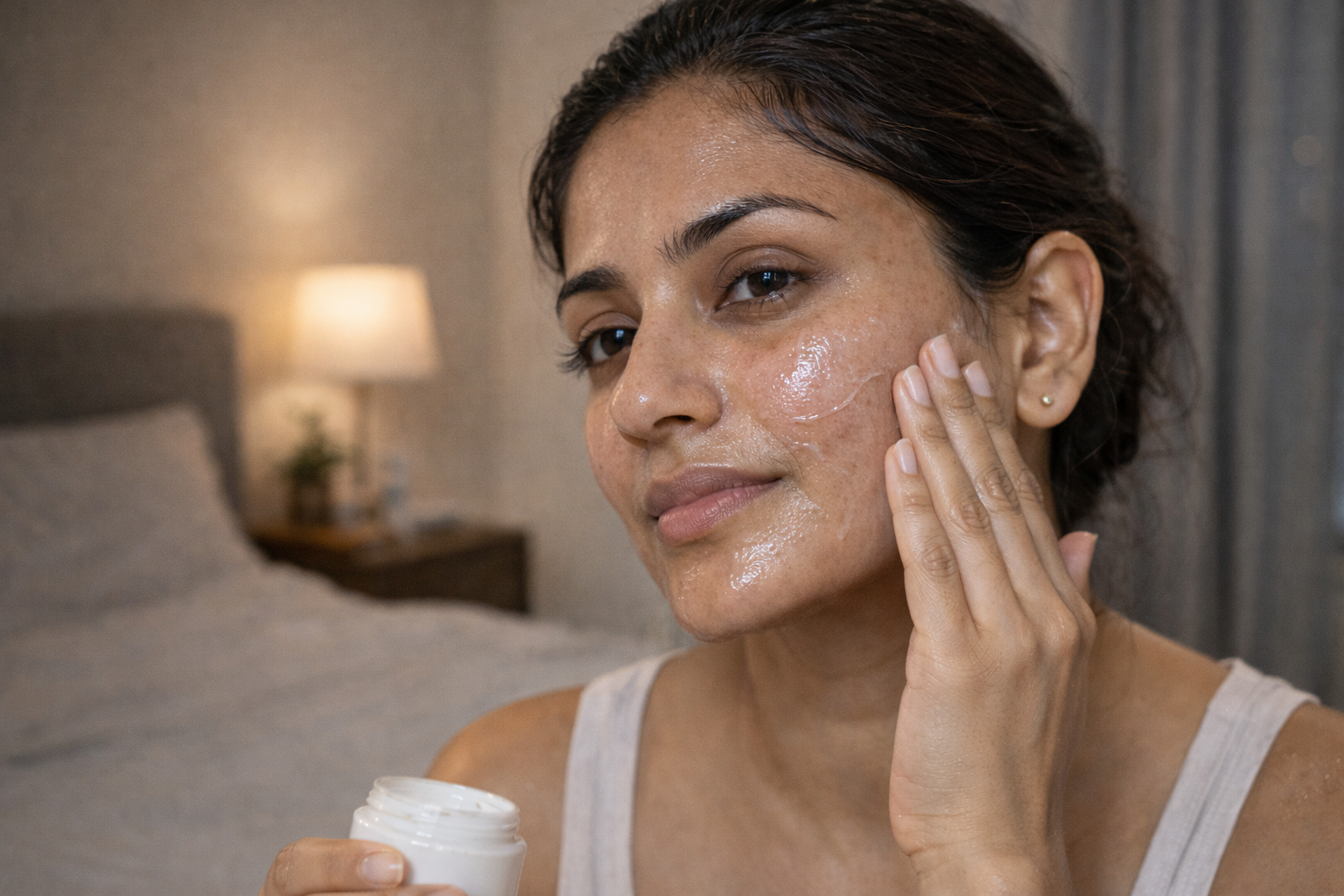
Slugging is the practice of applying an occlusive product (usually petrolatum-based) over your skincare routine at night.
The occlusive forms a seal that:
- Prevents water loss
- Protects the skin barrier while you sleep
- Allows repair processes to work uninterrupted
Slugging does not hydrate the skin by itself — it simply locks in whatever is already there.
Why Slugging Can Help a Damaged Skin Barrier
If your skin barrier is compromised, water escapes rapidly, leading to irritation, tightness, and sensitivity.
Slugging reduces this water loss dramatically, giving your skin a chance to heal.
This is why slugging can be helpful during recovery phases explained in our skin barrier repair in India guide.
Why Slugging Can Be Problematic in India
Indian climate introduces factors that change how slugging behaves on the skin.
1. High Humidity
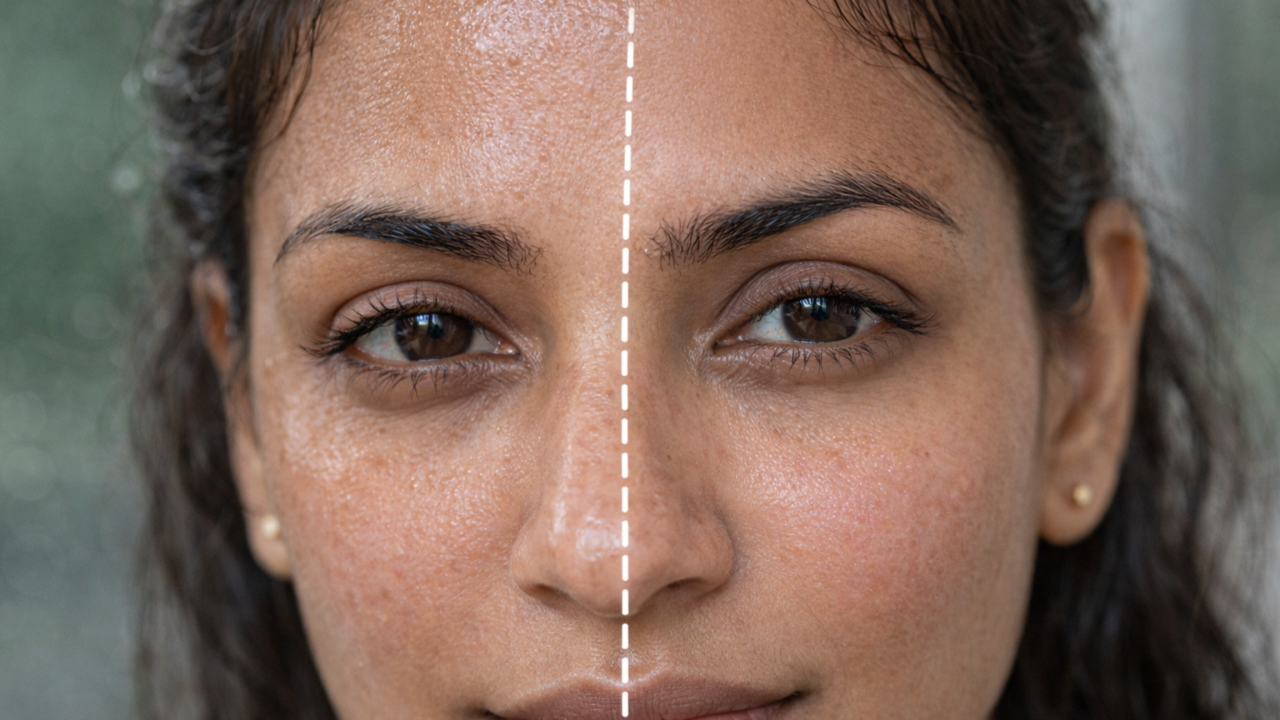
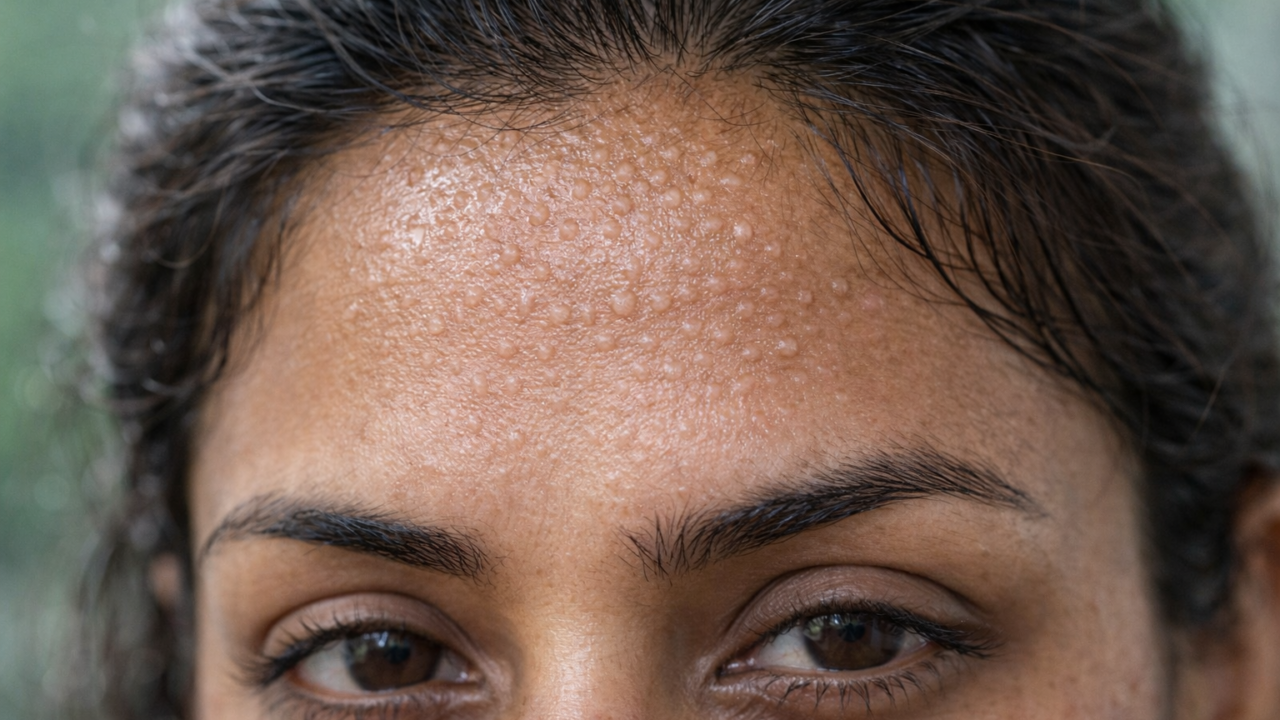
In humid cities, sweat and oil get trapped under occlusives, increasing the risk of clogged pores.
2. Acne-Prone Skin
Slugging over active acne or congested skin can worsen breakouts.
3. Fungal Acne Risk
Occlusives create a warm, moist environment — ideal for yeast growth.
This is why people often confuse slugging breakouts with fungal acne vs damaged skin barrier.
Who Should Try Slugging (And Who Should Not)
Slugging May Help If You:
- Have severely damaged skin barrier
- Experience stinging with basic products
- Are recovering from over-exfoliation
- Live in dry or air-conditioned environments
If you recently damaged your skin, follow the 14-day skin barrier reset plan before experimenting.
Slugging Is NOT Recommended If You:
- Have active acne breakouts
- Experience frequent fungal acne
- Have very oily skin in peak summer
- Sweat heavily at night
How to Slug Safely in Indian Conditions
Step 1: Repair First, Don’t Experiment
Slugging should be used as a recovery tool, not a daily habit.
Step 2: Use a Very Thin Layer
More is not better. A rice-grain amount for the entire face is sufficient.
Step 3: Apply Only on Clean, Calm Skin
Never slug over active breakouts or irritated skin.
Step 4: Limit Frequency
Once or twice a week is enough for most Indian skin types.
[Affiliate product suggestion: Petrolatum-based occlusives suitable for sensitive skin]
Slugging vs Lightweight Barrier Repair
For many people, slugging is unnecessary.
Using a well-formulated ceramide moisturizer consistently can repair the barrier without the risks associated with heavy occlusives.
Affordable options are covered in our guide to Indian pharma creams under ₹500.
Common Mistakes People Make with Slugging
- Slugging every night
- Slugging over actives
- Using thick layers
- Ignoring climate and skin type
Final Thoughts
Slugging is a tool — not a rule.
In Indian conditions, it should be used cautiously, intentionally, and temporarily.
If your goal is long-term skin health, strengthening your barrier with the right routine is safer than relying on heavy occlusives.