





- Why “Healthy” Is Not One-Size-Fits-All
- When High-Fiber Foods Feel Too Heavy
- Raw vs Cooked: The Difference in Digestibility
- The Role of Stress in Food Tolerance
- Protein, Fats, and “Healthy” Combinations
- Listening to Your Body Without Guilt
- Simple Ways to Find What Works for You
- Food Should Support, Not Stress
- So, Do Healthy Foods Suit Everyone?
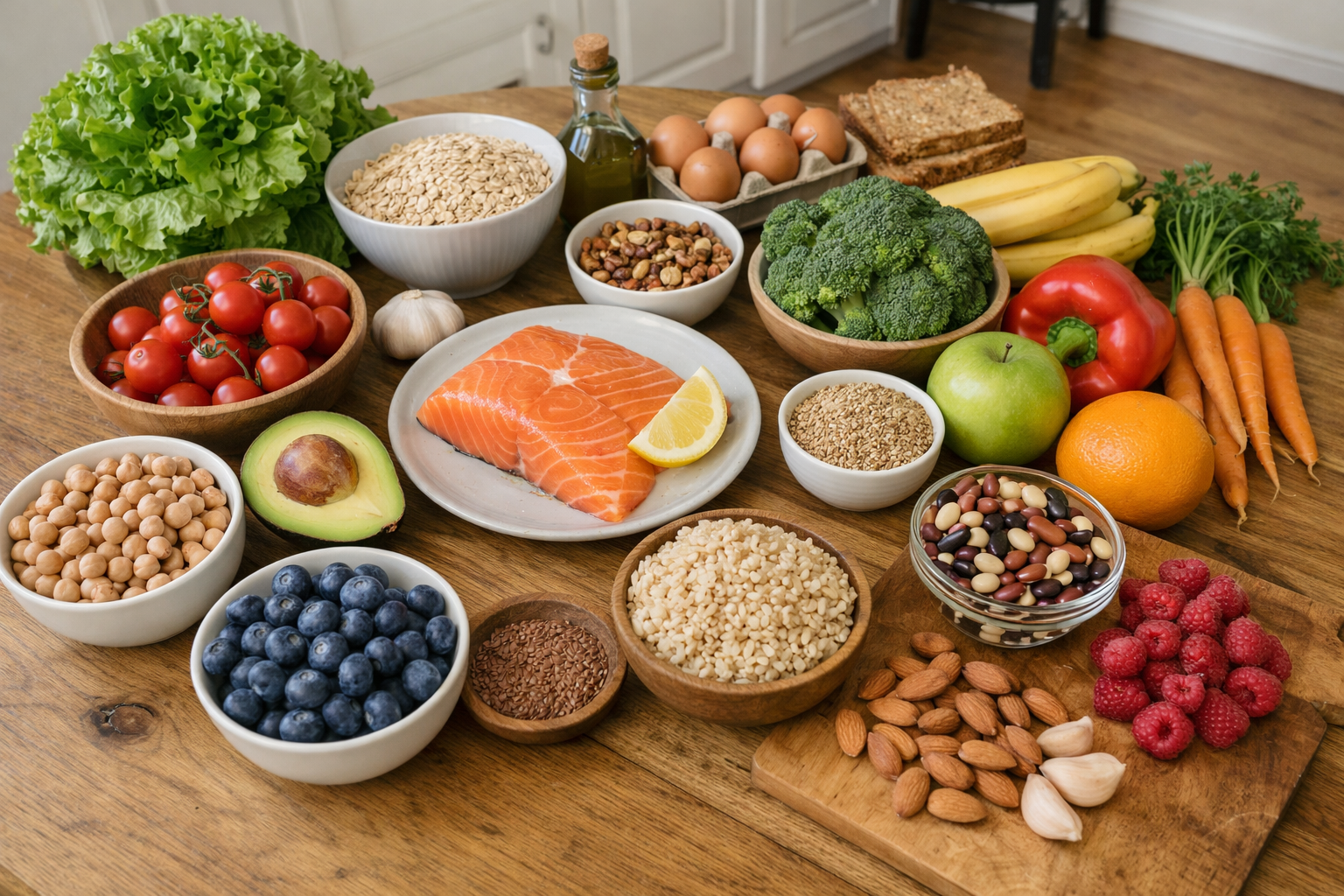
We often hear that certain foods are universally healthy. Leafy greens, whole grains, raw salads, seeds, high-fiber meals — they are frequently recommended as good choices for everyone.
But real life is more nuanced. Some people feel energized and light after eating these foods. Others feel bloated, heavy, or uncomfortable. This doesn’t mean the food is “bad.” It means bodies respond differently.
Why “Healthy” Is Not One-Size-Fits-All
Health labels are usually based on nutrients. A food may contain fiber, vitamins, or antioxidants, and therefore be considered beneficial. However, digestion is influenced by more than nutrients alone.
Stress levels, eating speed, gut sensitivity, sleep quality, and meal timing all affect how the body processes food.
When High-Fiber Foods Feel Too Heavy
Whole grains and raw vegetables are rich in fiber, which supports digestion for many people. But during stressful periods or when digestion is already sluggish, high-fiber foods can feel difficult to process.
This can lead to bloating or discomfort, especially if meals are eaten quickly or late in the evening.
Raw vs Cooked: The Difference in Digestibility
Raw foods are often seen as cleaner or more natural. Yet cooking breaks down certain fibers and makes food easier to digest.
For someone with a sensitive digestive system, lightly cooked vegetables may feel more comfortable than large raw salads.
The Role of Stress in Food Tolerance
Digestion depends on the body feeling calm. When the nervous system is under pressure, even well-balanced meals may feel heavier than usual.
This is why someone might tolerate certain foods easily on relaxed days but struggle with the same foods during busy or emotionally demanding periods.
Protein, Fats, and “Healthy” Combinations
Nuts, seeds, and high-protein foods are often encouraged as nutritious choices. However, they are also dense and require strong digestive effort.
In moderation, they can be supportive. In excess or under stress, they may feel overwhelming.
Listening to Your Body Without Guilt
It’s common to feel confused when a food praised as healthy doesn’t feel good. But discomfort is feedback, not failure.
Paying attention to how you feel after eating — your energy levels, digestion, and mental clarity — offers more useful insight than following rigid food labels.
Simple Ways to Find What Works for You
- Notice how you feel 1–2 hours after meals
- Observe digestion during stressful weeks
- Experiment with cooking methods
- Avoid extreme shifts; adjust gradually
Small adjustments often bring more comfort than dramatic dietary changes.
Food Should Support, Not Stress
Healthy eating is not about forcing yourself to follow trends. It’s about choosing foods that your body processes comfortably and consistently.
When meals leave you feeling steady rather than heavy, that is a sign of alignment.
So, Do Healthy Foods Suit Everyone?
No single food works perfectly for every person at every stage of life. The healthiest choice is often the one that supports your digestion, energy, and overall well-being in a sustainable way.
This article is shared for general informational purposes and reflects everyday lifestyle observations. It is not intended to replace professional advice.