





- What Makes a Dream “Vivid”?
- The Role of REM Sleep
- Stress and Emotional Processing
- Sleep Deprivation and REM Rebound
- Medications and Substances
- Hormonal Changes
- Are Vivid Dreams a Problem?
- Why You Remember Some Dreams and Not Others
- How to Reduce Disturbing Vivid Dreams
- The Bigger Picture
- Frequently Asked Questions
Some nights your dreams feel ordinary. Other nights they are intense, emotional, detailed, and strangely realistic.
Vivid dreams can feel fascinating, confusing, or even exhausting. But why do they happen? And should you be concerned?
What Makes a Dream “Vivid”?
Vivid dreams are typically characterized by strong imagery, emotional intensity, detailed storylines, and better recall upon waking.
They often occur during REM (Rapid Eye Movement) sleep — the stage most associated with active dreaming.
The Role of REM Sleep
REM sleep becomes longer in the second half of the night. If your sleep extends into early morning hours, you may wake directly from REM, making dreams easier to remember.
If you frequently wake up during the night, especially near REM periods, dream recall increases.
Stress and Emotional Processing
Dreams often reflect emotional processing. During REM sleep, the brain organizes memories and regulates emotional experiences.
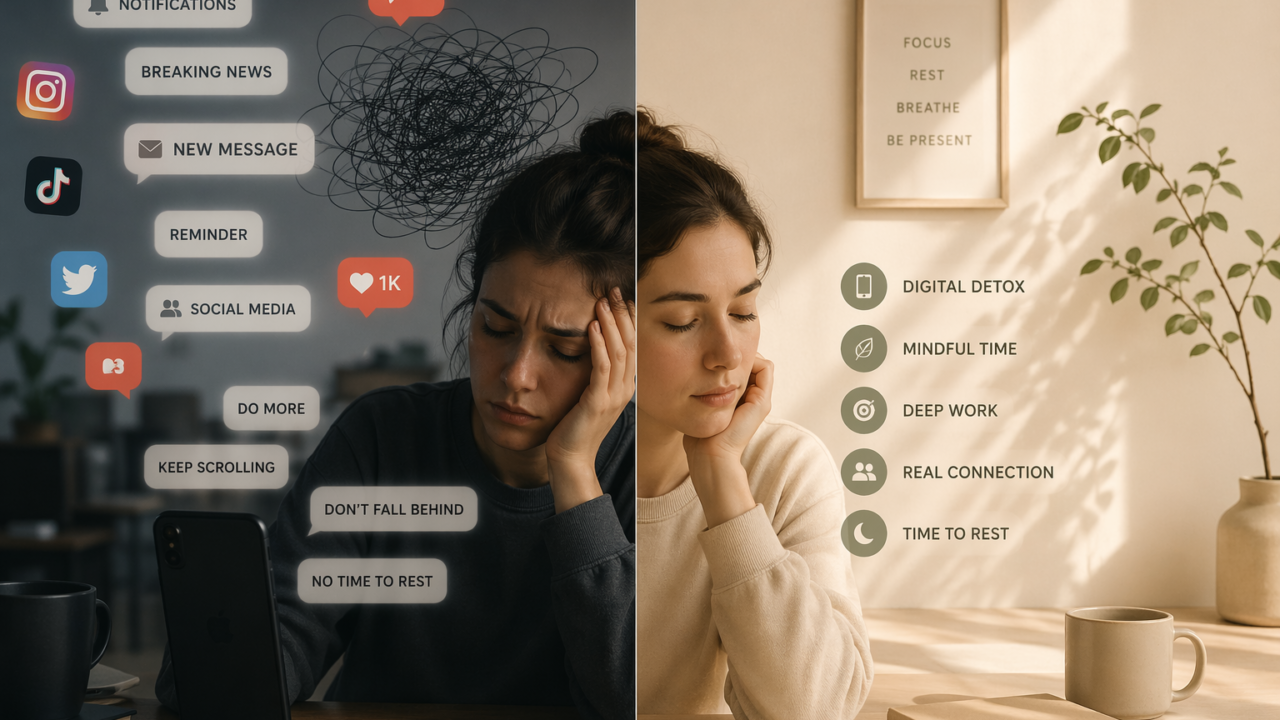
Periods of stress, change, or unresolved emotions can intensify dream content.
If daily stress is elevated, learning how to reduce stress naturally may indirectly calm dream intensity.
Sleep Deprivation and REM Rebound
When sleep is restricted — such as sleeping only six hours — the body may compensate with REM rebound on recovery nights.
This can produce longer and more intense dream periods.
You may notice this pattern if you are dealing with sleep debt.
Medications and Substances
Certain medications, especially those affecting mood and brain chemistry, can alter dream intensity.
Alcohol and irregular sleep schedules can also fragment REM cycles, influencing dream vividness.
Hormonal Changes
Hormonal fluctuations — such as during pregnancy, menstrual cycles, or major life transitions — can increase dream recall and emotional tone.
Are Vivid Dreams a Problem?
In most cases, vivid dreams are normal.
They may feel intense but do not necessarily indicate a disorder.
However, recurring nightmares, sleep paralysis, or severe distress from dreams may require professional guidance.
Why You Remember Some Dreams and Not Others
Dream recall depends on when you wake. If you wake during REM sleep, you are more likely to remember dream content.
Sleeping longer into the morning increases REM duration — which may explain why dreams feel more vivid on weekends.
How to Reduce Disturbing Vivid Dreams
- Maintain consistent sleep timing
- Reduce late-night screen exposure
- Avoid heavy meals before bed
- Manage daily stress levels
- Limit alcohol before sleep
Improving overall sleep stability often reduces dream intensity.
The Bigger Picture
Vivid dreams are usually a sign that your brain is actively processing experiences and emotions.
They become more noticeable when REM sleep increases, stress rises, or sleep patterns shift.
Understanding how sleep stages function can make intense dreams feel less mysterious — and less alarming.
Frequently Asked Questions
Are vivid dreams a sign of good sleep?
They often occur during REM sleep, which is a normal and important stage of sleep.
Why are my dreams suddenly more intense?
Stress, sleep changes, REM rebound, and hormonal shifts can increase dream vividness.
Can stress cause vivid dreams?
Yes. Emotional processing during REM sleep can amplify dream intensity during stressful periods.
This article is for informational purposes only and does not replace professional medical advice.