


- What Is Blue Light?
- How Blue Light Affects the Brain
- Is Blue Light the Only Problem?
- Does Blue Light Cause 3AM Wakeups?
- How Much Blue Light Is Too Much?
- Are Blue Light Filters Effective?
- The Role of Brightness
- Daytime Blue Light Is Beneficial
- How to Reduce Blue Light Impact
- Is Blue Light the Main Cause of Poor Sleep?
- The Bigger Picture
- Frequently Asked Questions
Phones, tablets, laptops, and televisions are now part of most evening routines. Many people scroll, stream, or work right up until bedtime.
But does blue light from screens actually affect sleep — or is it just another health myth?
The short answer: yes, blue light can influence sleep, but the full picture is more nuanced than simply “screens are bad.”
What Is Blue Light?
Blue light is a high-energy visible light wavelength naturally present in sunlight. During the day, blue light exposure helps regulate alertness, mood, and attention.
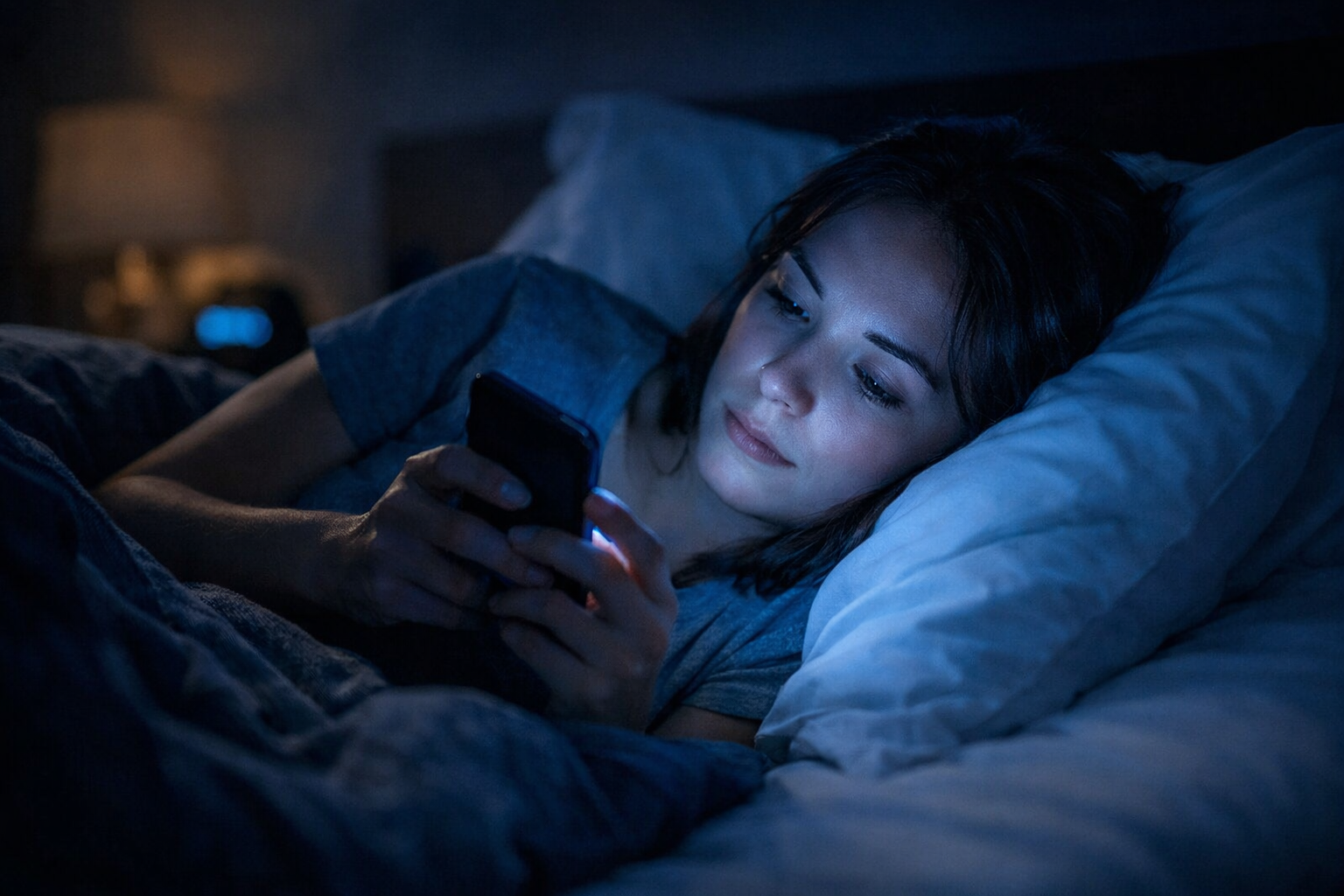
The issue arises when the brain receives blue light signals late at night, when it expects darkness.
How Blue Light Affects the Brain
Your body runs on a 24-hour internal clock called the circadian rhythm. This rhythm relies heavily on light signals to determine when to feel awake and when to feel sleepy.
Exposure to blue light in the evening can suppress melatonin — the hormone that helps initiate sleep.
Lower melatonin levels may delay sleep onset and reduce sleep quality.
Is Blue Light the Only Problem?
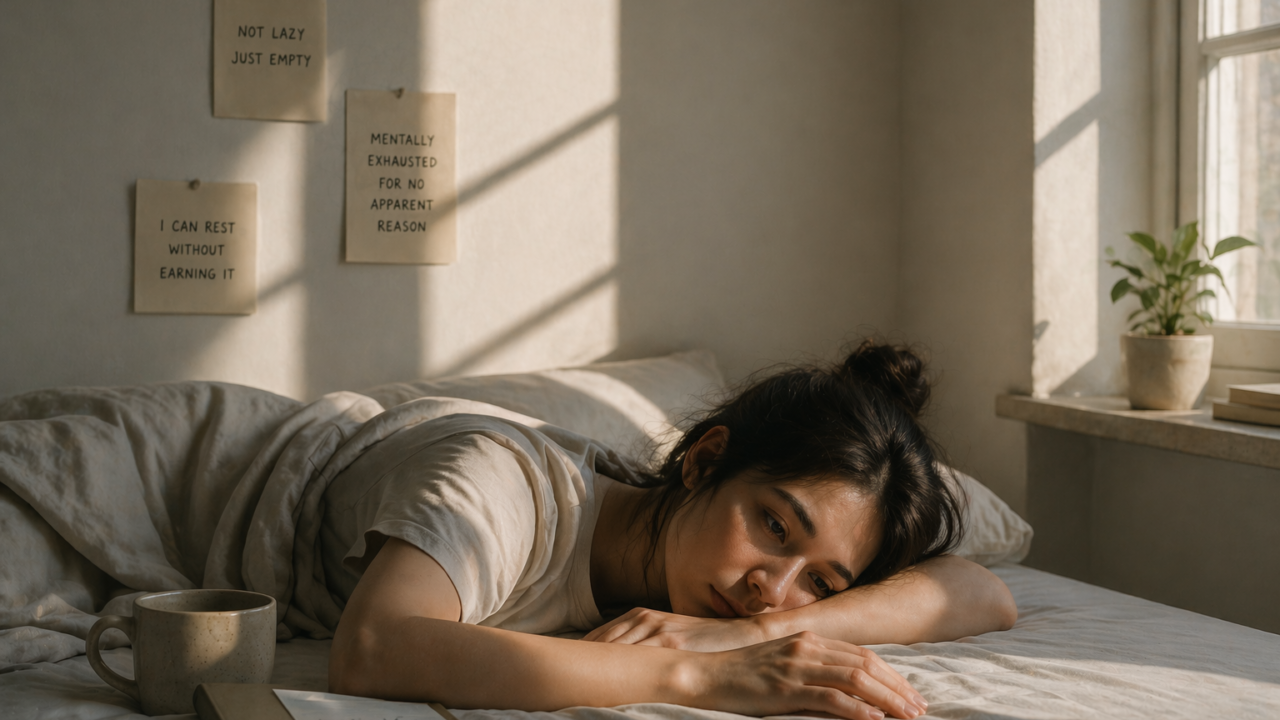
Light exposure is one factor — but mental stimulation also plays a role.
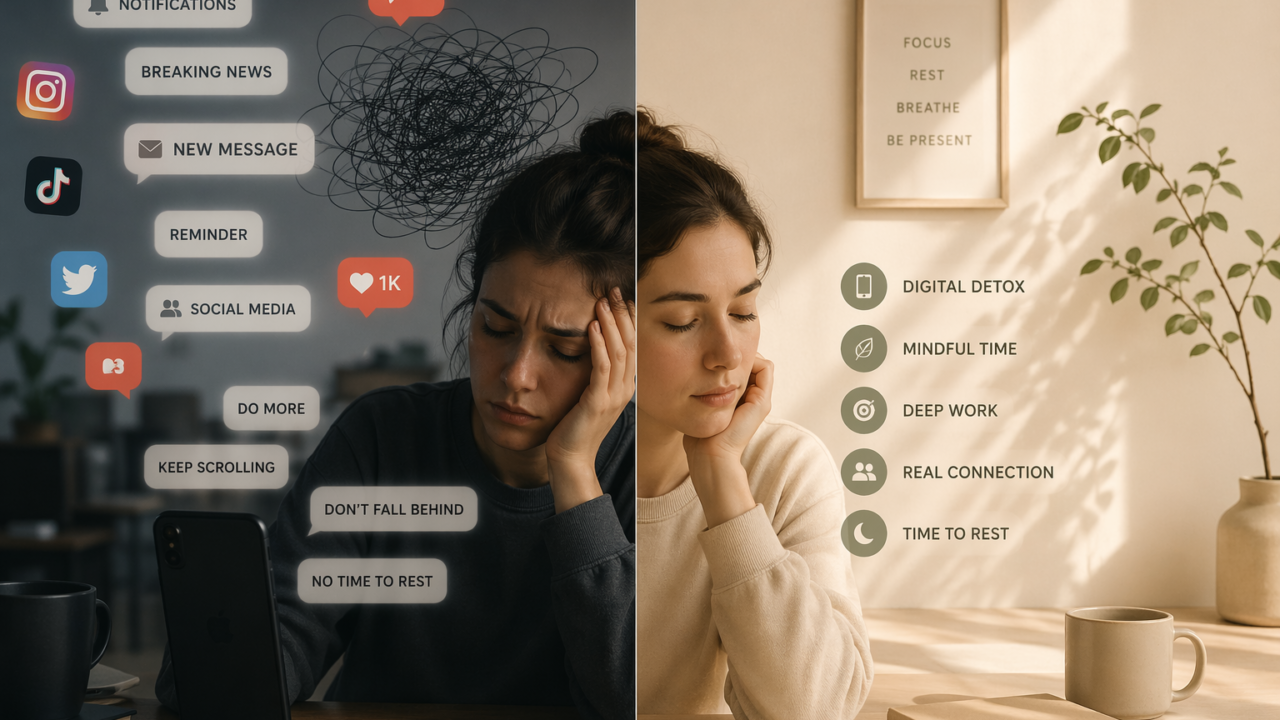
Scrolling social media, reading intense news, or responding to messages keeps the brain cognitively engaged. Even without blue light, stimulation can delay sleep.
If you struggle with falling asleep faster, both light exposure and mental activation may contribute.
Does Blue Light Cause 3AM Wakeups?
Late-night screen exposure may not directly cause waking at 3AM, but it can delay sleep timing and fragment sleep cycles.
If you frequently wake up at 3AM, inconsistent light exposure and irregular sleep timing may be part of the pattern.
How Much Blue Light Is Too Much?
Short exposure to screens during the evening is unlikely to completely disrupt sleep in most healthy adults.
However, prolonged exposure — especially within the hour before bed — increases the likelihood of delayed sleep onset and lighter sleep.
Are Blue Light Filters Effective?
Many devices now include night mode or blue light reduction settings. These can reduce the intensity of stimulating wavelengths.
While filters may help slightly, reducing total screen time before bed is often more effective than relying solely on color adjustments.
The Role of Brightness
Screen brightness matters. A dim screen in a dark room can still stimulate the brain if the contrast is strong.
Lowering brightness and enabling night mode together may reduce disruption.
Daytime Blue Light Is Beneficial
Morning sunlight exposure strengthens circadian rhythm. Getting natural light early in the day can make nighttime melatonin release stronger.
If you are trying to fix your sleep schedule, morning light exposure is just as important as reducing evening light.
How to Reduce Blue Light Impact
- Avoid screens 60–90 minutes before bed
- Use night mode after sunset
- Dim room lighting in the evening
- Increase natural light exposure in the morning
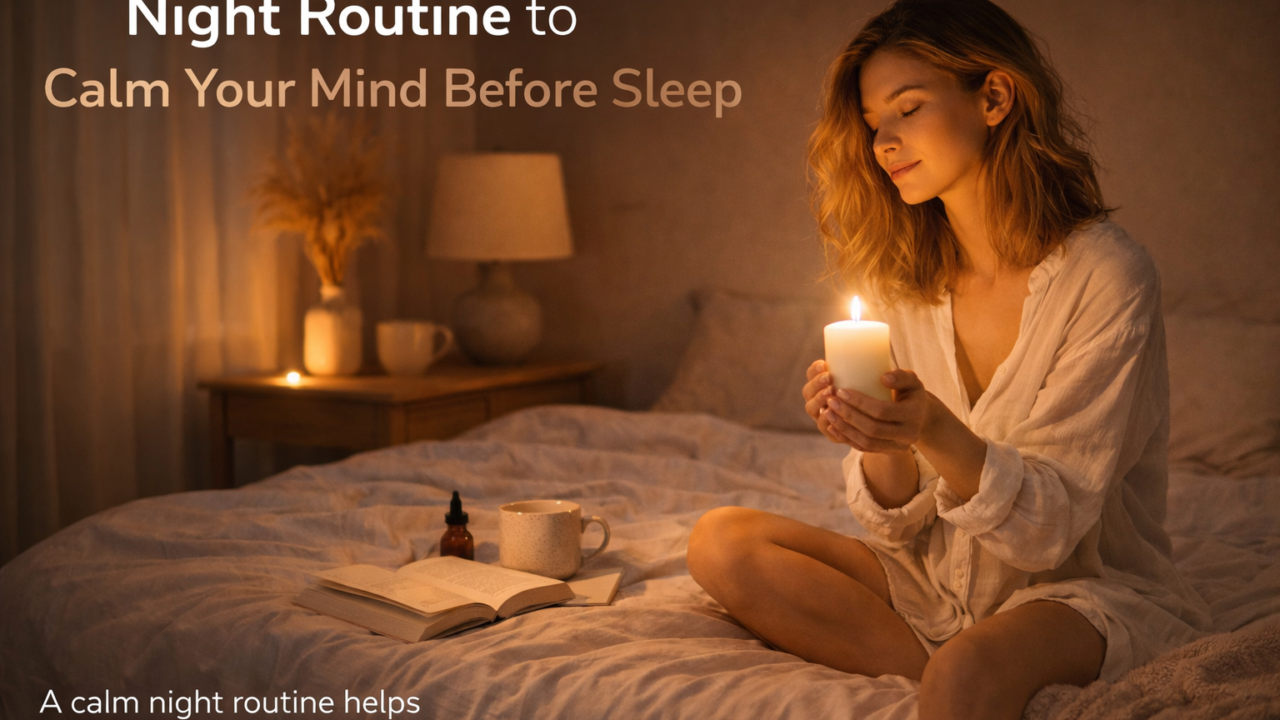
- Create a consistent wind-down routine
Is Blue Light the Main Cause of Poor Sleep?
Blue light contributes to delayed sleep, but it is rarely the only factor.
Stress, caffeine timing, irregular sleep schedules, and late meals also influence sleep quality.
You may also explore how sleep debt builds when sleep timing is consistently disrupted.
The Bigger Picture
Blue light does affect sleep — especially when exposure is prolonged and close to bedtime.
However, managing overall evening habits is more powerful than focusing on blue light alone.
Frequently Asked Questions
Does blue light from phones really affect sleep?
Yes. Evening exposure can suppress melatonin and delay sleep onset.
Do blue light glasses work?
They may reduce stimulating wavelengths, but limiting screen time before bed is more effective.
How long before bed should I avoid screens?
Ideally 60–90 minutes before sleep for best circadian support.
This article is for informational purposes only and does not replace professional medical advice.