




- Bloating Is Often a Process Issue, Not a Food Issue
- How Stress and Mental State Affect Digestion
- Eating Speed and Awareness Matter More Than We Realize
- Why “Healthy” Foods Can Still Cause Bloating
- Meal Timing Can Influence How You Feel After Eating
- The Role of Coffee and Stimulants
- Supporting Digestion in Simple Ways
- When Bloating Becomes a Pattern
- So, Why Do You Feel Bloated After Simple Meals?
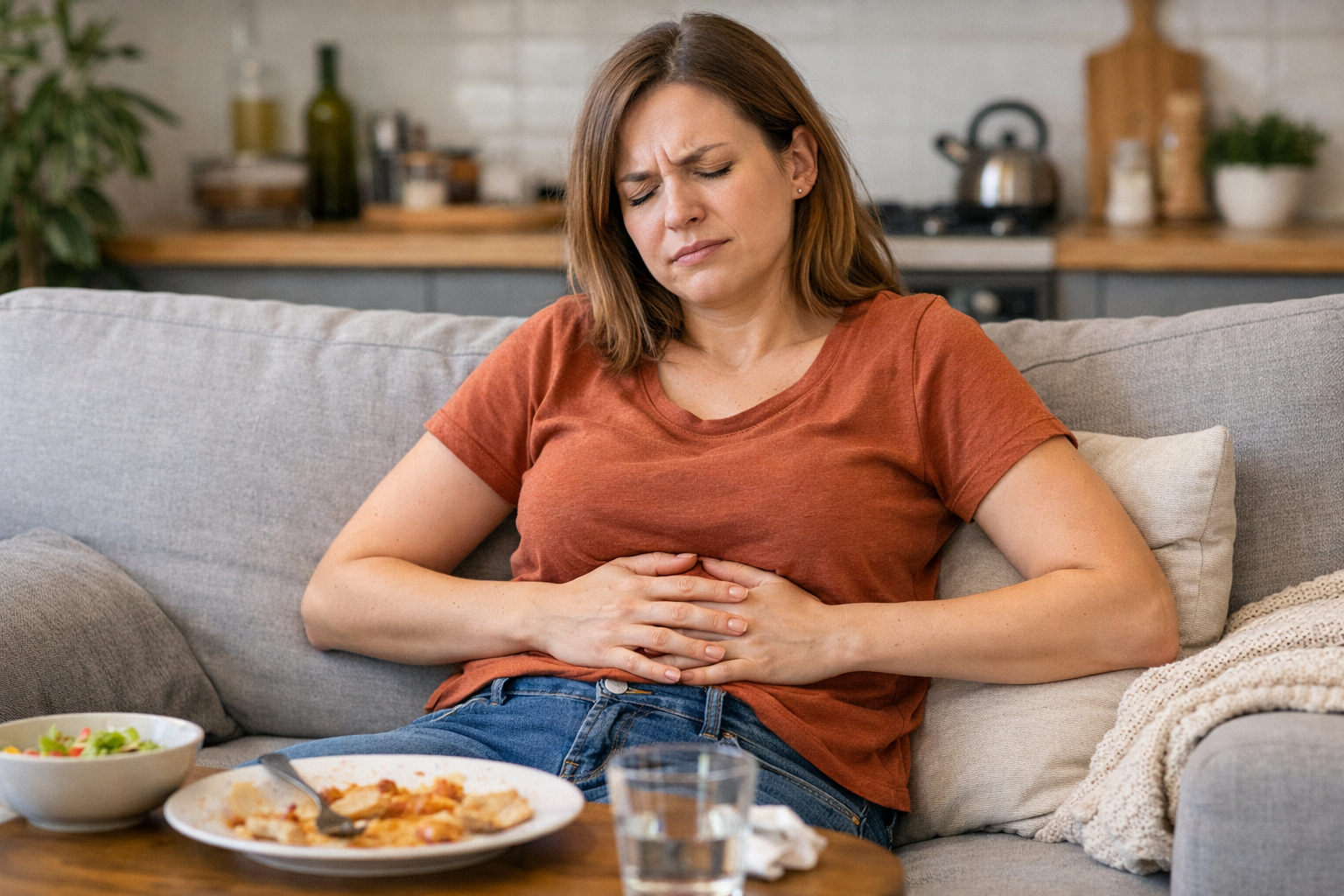
Feeling bloated after a simple meal can be frustrating. You may have eaten something familiar, in a normal quantity, and still ended up feeling heavy, tight, or uncomfortable soon after.
When this happens repeatedly, it’s easy to assume that something is “wrong” with the food. But bloating is often less about what you ate and more about what was happening in your body at the time you ate.
Bloating Is Often a Process Issue, Not a Food Issue
Digestion is a process that depends on timing, pace, and internal state. Even light meals can feel uncomfortable if the body isn’t fully prepared to digest.
When digestion slows down, food stays in the stomach or intestines longer than usual. This can create pressure, gas, or a sense of fullness that feels like bloating.
How Stress and Mental State Affect Digestion
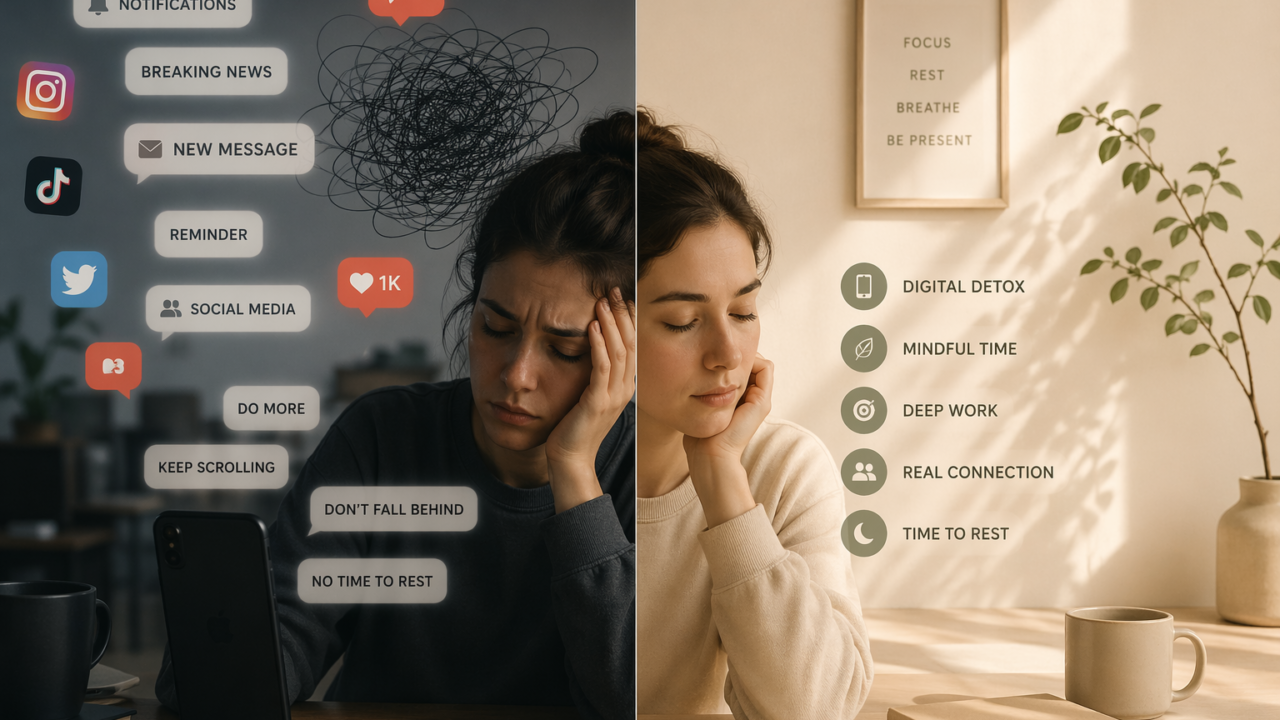
Digestion works best when the body feels safe and relaxed. When you’re rushed, anxious, distracted, or mentally overloaded, the body often prioritizes alertness over digestion.
This means that even simple meals may not be processed smoothly. Over time, this pattern can make bloating feel random, even though it follows a consistent internal rhythm.
Eating Speed and Awareness Matter More Than We Realize
Eating quickly, standing while eating, or eating while scrolling can interfere with digestion. The body needs time and attention to properly break down food.
When meals are rushed, more air is swallowed, chewing is reduced, and digestive signals are weaker — all of which can contribute to post-meal discomfort.
Why “Healthy” Foods Can Still Cause Bloating
Foods that are generally considered healthy don’t suit everyone in the same way. High-fiber foods, raw vegetables, or heavy grains can feel difficult to digest for some people, especially during stressful periods.
If you’ve noticed that foods praised as “good” don’t always feel good in your body, this doesn’t mean you’re doing something wrong. It often means your digestion needs a different kind of support.
Meal Timing Can Influence How You Feel After Eating
The body’s ability to digest changes throughout the day. Late meals, irregular eating patterns, or eating when already exhausted can make digestion feel sluggish.
When digestion is compromised, even small meals can feel heavier than they should.
The Role of Coffee and Stimulants
For some people, coffee stimulates digestion. For others, it increases acidity or irritation, especially when consumed without food.
If bloating tends to appear after coffee, it may be less about the meal itself and more about how stimulants interact with your digestive system.
Supporting Digestion in Simple Ways
You don’t need extreme dietary changes to reduce bloating. Small shifts often help more:
- Eating at a slower pace
- Sitting down calmly for meals
- Avoiding screens while eating
- Keeping meal times reasonably consistent
Gentle movement after meals, such as a short walk, can also support digestion.
When Bloating Becomes a Pattern
Occasional bloating is a normal part of life. But when it happens frequently, it’s worth paying attention to patterns rather than blaming individual foods.
Your body often communicates through discomfort long before it reaches a breaking point.
So, Why Do You Feel Bloated After Simple Meals?
Bloating after simple meals usually reflects how your body is processing food in that moment — influenced by stress, pace, timing, and internal state — rather than the meal alone.
When digestion is supported gently and consistently, meals tend to feel lighter, more comfortable, and easier to recover from.
This article is shared for general informational purposes and reflects everyday lifestyle observations. It is not intended to replace professional advice.
[…] Darkest Scandal Ambani, Modi, and Epstein: What the New Leaks Reveal About Power and Silence Why You Feel Bloated After Simple Meals White Rice vs Brown Rice: What’s Better for […]