





Morning Habits That Quietly Improve Energy Levels
When energy feels low, the instinct is often to push harder — more coffee, more stimulation, more urgency. But sustained energy rarely comes from force. It usually comes from small, quiet habits that support the body’s natural rhythm.
The way your morning begins plays a bigger role in daily energy than most people realize. Not through productivity hacks, but through signals you send to your nervous system in the first hour after waking.
Why Mornings Set the Tone for Energy
Your body follows a daily rhythm influenced by light, movement, food, and stress. When mornings are rushed, overstimulated, or inconsistent, this rhythm becomes confused. Energy may spike briefly and then fade quickly.
When mornings are calmer and more predictable, energy tends to stabilize naturally across the day.
Exposure to Natural Light Matters More Than You Think
Morning light helps regulate your internal clock. Even a few minutes of daylight exposure signals the body that it is time to wake up and become alert.
This is one reason people feel more awake on bright mornings compared to dark, indoor ones. Light tells your system to reduce sleep hormones and increase alertness — without caffeine.
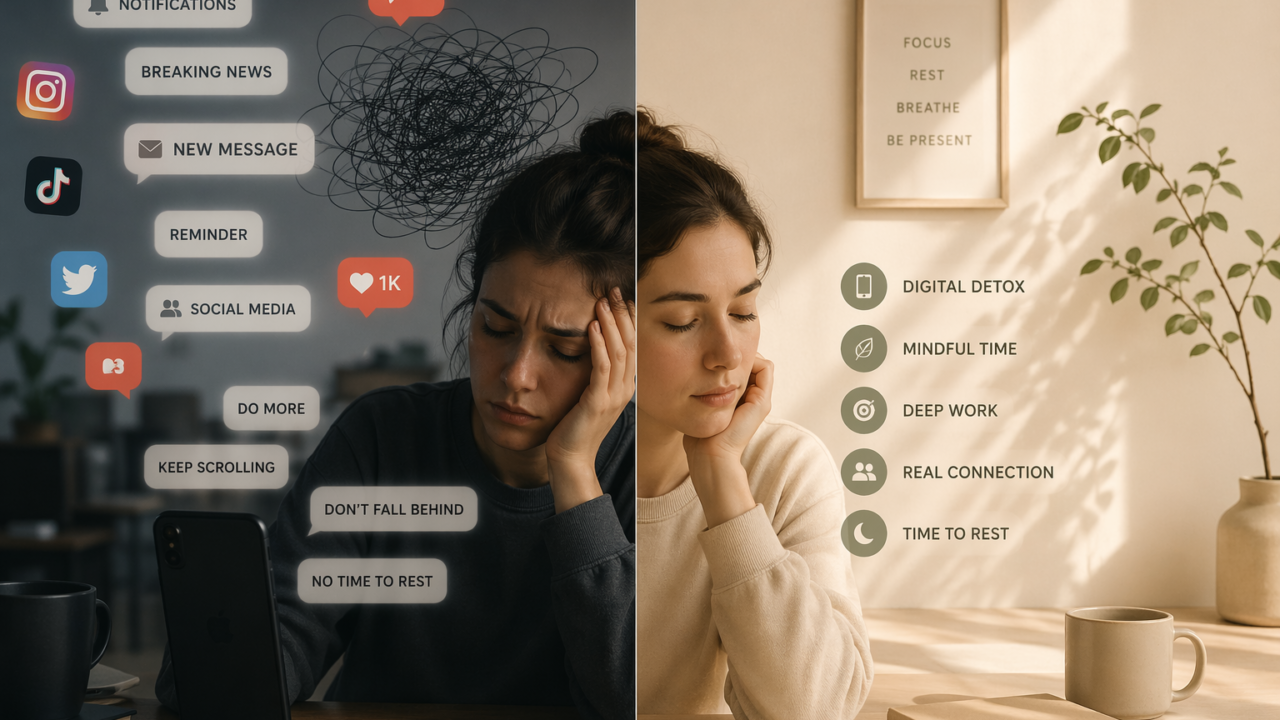
Why Reaching for Your Phone First Can Drain Energy
Checking messages, news, or social media immediately after waking exposes the brain to information overload before it has fully transitioned out of rest.
This early stimulation increases mental fatigue later in the day. It also contributes to the feeling of being tired even after sleeping, which is explored further in
why you feel tired even after sleeping 8 hours
.
Hydration Before Caffeine
Mild dehydration after sleep is common and often mistaken for tiredness. Drinking water before coffee can noticeably improve alertness and reduce the urge for multiple cups.
This simple step also softens the impact of caffeine on the nervous system.
Timing Coffee for Better Energy
Coffee can be helpful, but timing matters. Drinking it immediately after waking may interfere with your body’s natural wake-up signals.
Allowing some time before your first cup often results in steadier energy. Understanding the
best time to drink coffee for energy
can reduce crashes and dependence.
Gentle Movement Over Intense Exercise
Light stretching, walking, or simple mobility movements can wake the body without draining it. Intense workouts too early may feel energizing at first but can lead to later fatigue if recovery is insufficient.
The goal is to signal wakefulness, not exhaust the system.
Eating Something Small Can Stabilize Energy
Skipping food entirely may work for some people, but for others it increases stress hormones and leads to mid-morning crashes.
Pairing coffee with food or eating lightly before caffeine can reduce jitters and anxiety, especially for sensitive individuals. This relates closely to
whether drinking coffee on an empty stomach is actually bad
.
Consistency Over Perfection
Energy improves when mornings are consistent, not perfect. Waking at similar times, following a familiar rhythm, and avoiding extremes help the body feel safe and supported.
Over time, these quiet habits reduce the need for constant stimulation and make energy feel more natural.
So, What Actually Improves Morning Energy?
Calm mornings, light exposure, hydration, intentional coffee timing, and reduced early stimulation quietly support energy throughout the day.
Energy grows when the body feels regulated, not rushed.
[…] is why delaying phone use and aligning with supportive morning habits often improves focus across the entire […]
[…] Morning habits that support regulation can also improve evening energy. This is explored further in morning habits that quietly improve energy levels . […]