





- Sleep Quantity vs Sleep Quality
- Mental Fatigue Doesn’t Always Reset Overnight
- The Role of Stress and Cortisol
- Why Coffee Can Make Morning Fatigue Worse
- Sleep Isn’t the Only Form of Rest
- Common Everyday Habits That Drain Energy
- How to Support Better Energy Without Forcing It
- When to Pay Attention to Persistent Fatigue
- So, Why Do You Feel Tired After Sleeping?
Sleep Quantity vs Sleep Quality
Sleep is not a single, uniform state. It moves through multiple stages, including light sleep, deep sleep, and REM sleep. Each stage plays a different role in physical repair, emotional regulation, and mental clarity.
If sleep is frequently interrupted or shallow, you may spend enough time in bed but not enough time in the stages that truly restore energy. This is one of the most common reasons people feel tired despite sleeping for several hours.
Mental Fatigue Doesn’t Always Reset Overnight
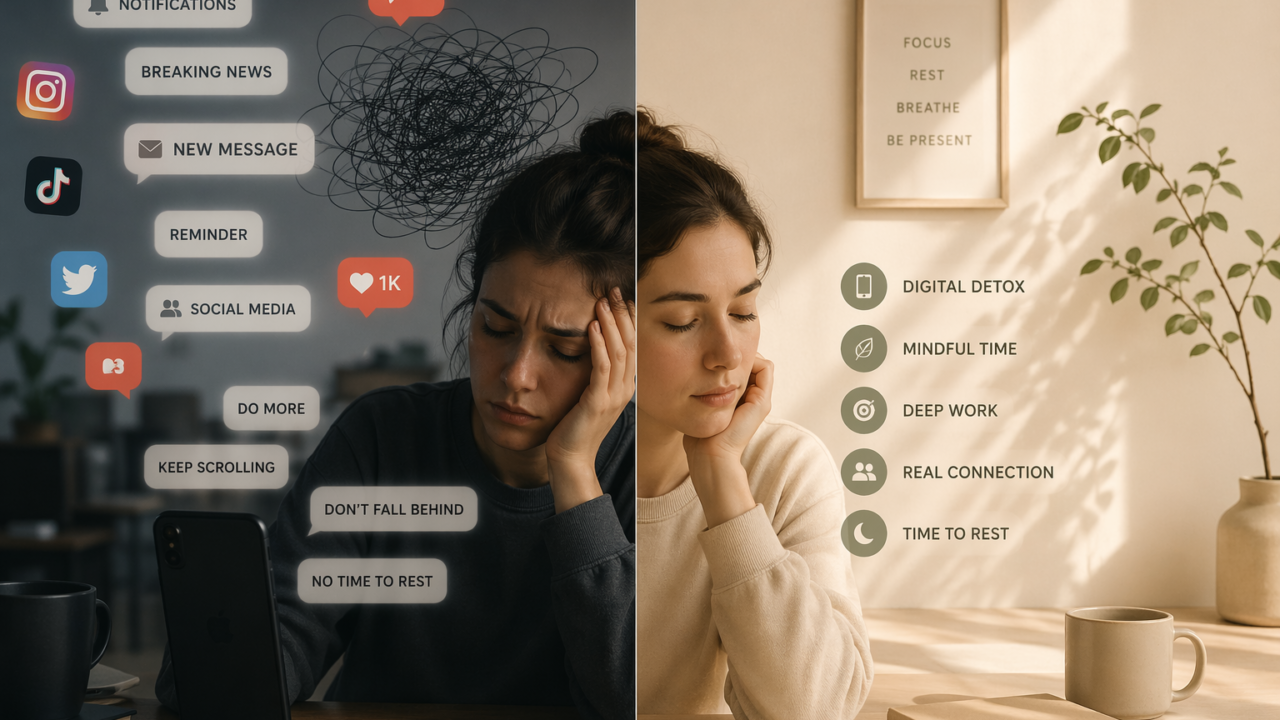
Mental exhaustion accumulates differently from physical fatigue. Continuous decision-making, screen exposure, emotional stress, and information overload can leave the mind overstimulated.
Even during sleep, a stressed nervous system may remain partially alert. As a result, the body rests, but the mind does not fully disengage.
The Role of Stress and Cortisol
Stress hormones such as cortisol follow a daily rhythm. Ideally, cortisol levels are low at night and gradually rise toward morning, helping you wake up feeling refreshed.
Chronic stress can disrupt this rhythm. Elevated nighttime cortisol can interfere with deep sleep, while irregular morning cortisol can leave you feeling sluggish instead of alert.
This imbalance is one reason many people rely heavily on caffeine. However, using coffee to compensate for poor recovery often worsens the cycle. Understanding the
best time to drink coffee for energy
can reduce this strain.
Why Coffee Can Make Morning Fatigue Worse
Drinking coffee immediately after waking up may seem helpful, but it can blunt your body’s natural wake-up signals. Over time, this can increase dependence on caffeine without actually improving energy.
Excessive or poorly timed caffeine intake can also interfere with sleep quality the next night, even if you fall asleep easily. This creates a subtle loop of tiredness and stimulation.
Knowing
how much coffee is too much in a day
is often more important than increasing intake.
Sleep Isn’t the Only Form of Rest
Physical sleep cannot fully compensate for emotional or mental overload. If your days are filled with constant stimulation, pressure, or unresolved stress, your system may not feel restored even after adequate sleep.
This is why some people feel more refreshed after a calm day than after a long sleep following an exhausting one.
Common Everyday Habits That Drain Energy
Irregular meal timing, late-night screen use, constant notifications, and lack of daylight exposure can all quietly drain energy. These habits signal the nervous system to stay alert when it should be winding down.
Over time, this disrupts natural rhythms and makes rest less effective.
How to Support Better Energy Without Forcing It
Improving energy often starts with small adjustments rather than drastic changes. Regular wake-up times, brief morning light exposure, and intentional pauses during the day can support better recovery.
Reducing reliance on late-day caffeine and understanding
why coffee makes some people anxious
can also help calm the nervous system.
When to Pay Attention to Persistent Fatigue
Occasional tiredness is normal. But persistent fatigue that lasts weeks or months deserves attention. It may reflect ongoing stress, lifestyle imbalance, or unmet recovery needs rather than a simple lack of sleep.
Listening to these signals early can prevent deeper burnout later.
So, Why Do You Feel Tired After Sleeping?
Feeling tired after eight hours of sleep does not mean you are doing something wrong. It usually means your body is asking for a different kind of support — better sleep quality, calmer days, or gentler rhythms.
Energy is not something to be forced. When recovery is supported holistically, alertness and clarity begin to return naturally.
[…] This early stimulation increases mental fatigue later in the day. It also contributes to the feeling of being tired even after sleeping, which is explored further in why you feel tired even after sleeping 8 hours . […]
[…] morning fatigue experience improvement simply by delaying phone use. This connects closely with why you feel tired even after sleeping 8 hours , where overstimulation plays a key […]
[…] This is one reason people feel tired even after adequate sleep. The underlying recovery problem often begins during the day, not at night. This connects closely with why you feel tired even after sleeping 8 hours . […]
[…] These pauses are especially important for preventing the slow buildup of fatigue that leads to feeling tired despite rest, explored further in why you feel tired even after sleeping 8 hours . […]
[…] However, relying solely on stress hormones for energy — especially combined with caffeine — can eventually lead to fatigue. This pattern often overlaps with feeling tired even after sleeping 8 hours . […]
[…] If your nighttime sleep is short, fragmented, or poor in quality, this afternoon dip becomes stronger. You may feel mentally foggy and tempted to lie down — especially if you already wake up tired despite sleeping enough hours. […]
[…] you already wake up tired despite sleeping, your body becomes more sensitive to daytime energy […]
[…] you often wake up tired despite sleeping, snoring-related breathing disruption may be a […]